
Category: Advice

Seamless vs Sectional Gutters: Which Is Better for Your Phoenix, MD Home?

Seamless vs Sectional Gutters

If you’re replacing your gutters, you’ve probably run into two main choices: seamless or sectional. Both keep water away from your foundation, but they work differently and hold up differently over time. Here’s how they compare, so you can pick the right fit for your home.

What’s the Difference Between Seamless and Sectional Gutters?

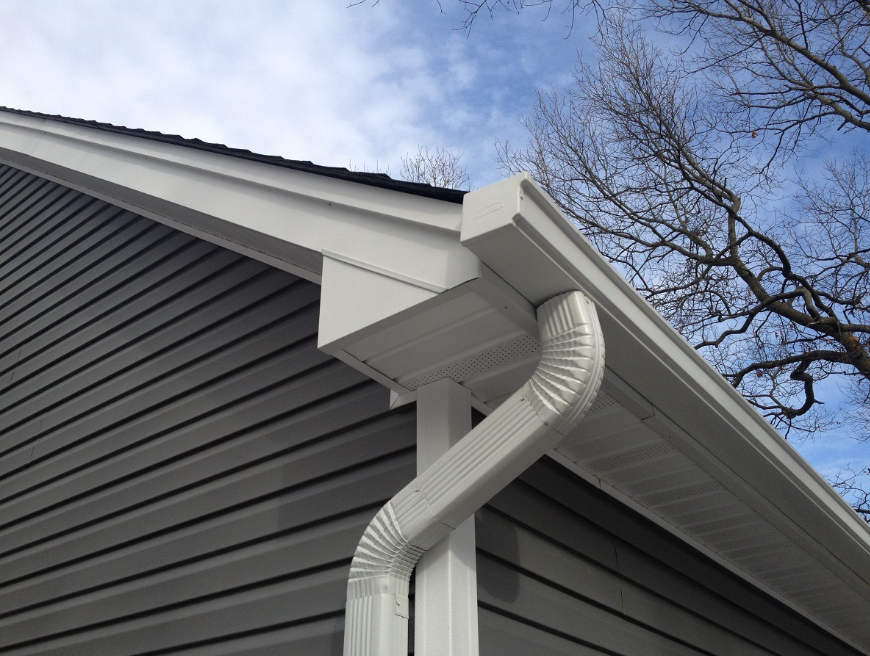
Seamless gutters are formed on-site from one continuous piece of material, cut to the exact length of your roofline. Sectional gutters come in pre-cut lengths that installers join together with connectors.

That single difference shapes almost everything else: how they look, how long they last, and how often they need attention. When people search for a gutter system comparison, this is usually the first question they’re trying to answer.

How Do Aluminum Gutters Perform in Each System?

Aluminum gutters are the most common choice for both seamless and sectional systems, and for good reason. They resist rust, hold up in most weather, and cost less than copper or steel.

The difference shows up in the seams. A sectional aluminum gutter has multiple joints where two pieces meet. Each joint is a potential weak spot for leaks over time. A seamless aluminum gutter has none of that, aside from the corners and downspout connections, so there’s simply less surface area where water can sneak through.

Which Gutter Installation Option Costs More Upfront?

Sectional gutters usually cost less upfront. You can even find them at most hardware stores as a DIY option, which appeals to homeowners on a tight budget.

Seamless gutters cost more initially because they require a professional with a portable forming machine to custom-make each piece on-site. But that higher upfront cost often pays off through fewer repairs and a longer lifespan. If you’re weighing your gutter installation options, it helps to think past the sticker price and consider what you’ll spend on maintenance down the road.

Seamless vs Sectional Gutters: Which Holds Up Better in Maryland Weather?

Seamless gutters generally hold up better through Maryland’s mix of heavy rain, snow, and freeze-thaw cycles. Fewer seams mean fewer places for water to freeze, expand, and pry a joint apart.

Sectional gutters can still perform well, but their joints need regular checking, especially after a hard winter. If a connector loosens or a seal breaks down, water can leak behind the fascia and cause damage you won’t notice until it’s serious. When it comes to seamless vs sectional gutters in a climate like ours, the fewer-seams design tends to win out for long-term durability.

Which Gutter System Is Easier to Repair?

Sectional gutters are easier to spot-repair. If one section fails, you can often replace just that piece instead of the whole run.

Seamless gutters are harder to patch because they’re custom-fit as one piece. A damaged section usually means replacing that entire length. It’s a trade-off: sectional gutters offer easier small fixes, while seamless gutters need fewer fixes to begin with.

If your current gutters are sagging, pulling away from the roofline, or leaking at every joint, it may be time to look at full gutter replacement rather than another round of patchwork repairs.

FAQs

Do seamless gutters really stop leaking better than sectional ones?
Yes, in most cases. Fewer joints mean fewer places for water to escape, which is why seamless systems tend to have fewer leak issues over time.

Can you install seamless gutters yourself?
Not easily. Seamless gutters need a forming machine to create the continuous length on-site, so most homeowners hire a professional for seamless gutter installation rather than tackling it as a DIY project.

How long do sectional gutters last compared to seamless gutters?
Sectional aluminum gutters typically last 20 to 25 years with good maintenance. Seamless aluminum gutters often last a bit longer, closer to 25 to 30 years, because there are fewer joints to fail.

Ready to Choose the Right Gutter System for Your Home?

Whether you’re leaning toward seamless or sectional, the right choice comes down to your roofline, your budget, and how much maintenance you want to handle. The Brothers That Just Do Gutters can walk you through both options and help you find the best fit for your Phoenix, MD home. Call today to schedule a free estimate.


Posted on August 31, 2026 | Published by Ignite Local | Related Local Business
Do Gutter Guards Really Work for Homes in Phoenix, MD?

gutter guards

A Quick Look at the Question Every Homeowner Asks

If you live under a canopy of oak and maple trees in Phoenix, MD, you already know the fall cleanup routine. Leaves pile up in your gutters. Water backs up onto your fascia. And you’re back on a ladder every few weekends just to keep things flowing. So it’s fair to ask: do gutter guards actually work, or are they just another home upgrade that overpromises? Here’s what you need to know before you decide.

What Are Gutter Guards, Exactly?

Gutter guards are covers or inserts that sit on top of your gutters. They let water in while keeping leaves, twigs, and debris out. The idea is simple. Less debris means less clogging, less standing water, and fewer trips up the ladder.

Not all gutter guards are built the same way, though. Some are simple foam inserts. Others are metal mesh screens. And some are full gutter protection systems designed to handle heavy leaf loads year-round. The type you choose matters more than most people realize, especially in a leafy area like Phoenix.

Do Leaf Guards Hold Up Against Maryland’s Tree Cover?

Maryland’s mix of hardwoods means a steady drop of leaves, seed pods, and small branches for weeks at a time. Basic leaf guards with larger openings can struggle here. They catch big leaves fine, but smaller debris like maple seeds or pine needles can still slip through or sit on top and mat down over time.

That’s why many homeowners in tree-heavy neighborhoods upgrade to a tighter mesh design. It’s not that leaf guards don’t work. It’s that the level of protection needs to match the level of debris your trees actually produce.

How Micro Mesh Gutter Guards Compare

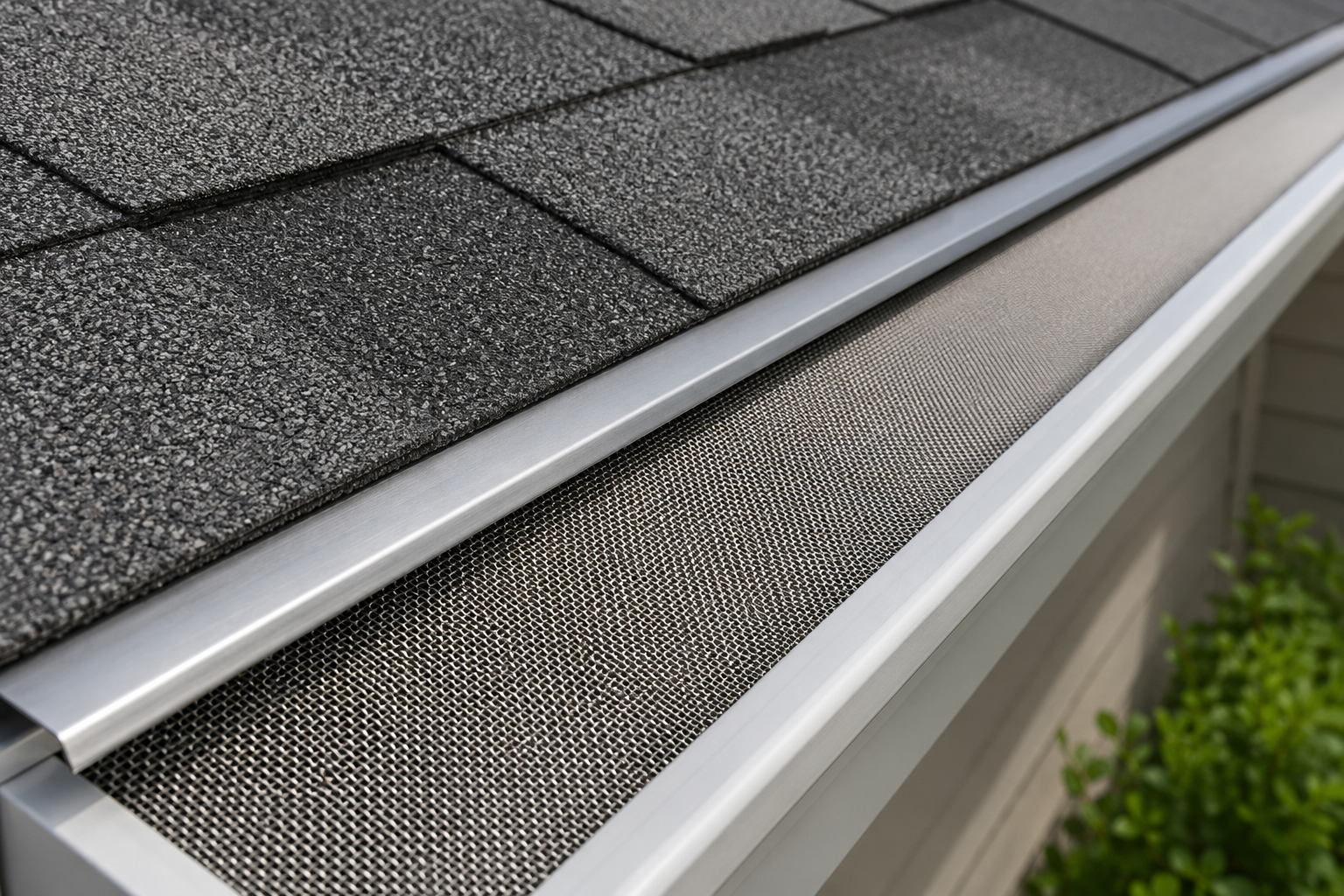
Micro mesh gutter guards use a fine screen, often finer than a window screen, to block even small particles like grit and shingle sand. Water still flows through, but debris stays on top where wind and rain can clear it away.

For homes surrounded by mature trees, this tighter mesh tends to perform better over the long run. It reduces the buildup that causes sagging gutters, ice dams in winter, and water damage near your roofline. Micro mesh systems also tend to need less frequent cleaning, which matters if you’d rather spend your weekends doing anything other than gutter maintenance.

Are Gutter Guards Worth It for Your Home?

This is the real question behind the search. Gutter guards are worth it if:

  • You have trees close to your roofline
  • You’ve dealt with clogged gutters or overflow before
  • You want to cut down on ladder time and maintenance calls
  • You’re trying to prevent water damage to fascia, siding, or your foundation

They’re less critical if your home has few nearby trees and you already keep up with seasonal cleaning. But for most properties in and around Phoenix, MD, the shade that makes your yard so comfortable also means more debris in your gutters. That’s exactly the situation gutter guards are built to solve.

What to Expect from a Gutter Protection System

A well-installed gutter protection system does more than block leaves. It should:

  • Fit snugly against your existing gutters
  • Handle heavy rain without overflowing
  • Resist buckling under snow or ice
  • Require minimal upkeep after installation

Cheaper, one-size-fits-all guards sometimes fall short on these points. That’s why it helps to have your roofline measured and assessed before choosing a system, rather than picking something off a shelf.

Frequently Asked Questions

Do gutter guards stop all maintenance?
No system eliminates maintenance completely, but a good one cuts it down significantly. You’ll likely still want an annual check, especially after a rough storm season.

Can gutter guards cause ice dams in the winter?
Poorly designed guards can contribute to ice buildup if water can’t drain properly. A properly fitted micro mesh or gutter protection system is designed to avoid this by keeping water flow consistent.

How long do gutter guards last?
Quality micro mesh systems can last as long as your gutters themselves, often 20 years or more, while cheaper foam inserts may need replacing every few years.

Ready to Stop Cleaning Gutters by Hand?

If falling leaves and clogged downspouts are a yearly headache at your Phoenix, MD home, it might be time to look at a real gutter protection upgrade. The Brothers That Just Do Gutters can walk you through which system fits your roofline and tree coverage, and get it installed before the next storm rolls through. Call or schedule an inspection today to see which gutter guard option makes sense for your home.


Posted on July 31, 2026 | Published by Ignite Local | Related Local Business
What Happens When Gutters Fail in Monkton? Understanding Gutter Water Damage

Gutter Water Damage - Northeast Maryland

Monkton homeowners know that Maryland weather can turn quickly, from heavy spring downpours to icy winter storms. When gutters stop doing their job, all that water has to go somewhere. Often, it ends up exactly where you don’t want it: your foundation, your roof, or your basement. If you’ve noticed pooling water near your home or damp spots on your ceiling, understanding gutter water damage is the first step toward protecting your investment.

What Causes Gutter Water Damage in the First Place?

Gutter water damage happens when gutters can’t move water away from your home efficiently. This usually comes down to a few common culprits. Clogged gutters filled with leaves and debris cause water to overflow instead of flowing through the downspouts. Sagging or improperly pitched gutters let water pool instead of draining. Cracks, rust, or loose seams let water escape before it reaches the ground.

Once water escapes where it shouldn’t, it doesn’t just disappear. It seeps into siding, soaks into soil near your foundation, and finds its way into small gaps around windows and doors. Over time, this constant exposure wears down materials that were never designed to handle standing water.

How Does Foundation Damage from Gutters Happen?

Foundation damage from gutters is one of the most serious and costly problems homeowners face. When gutters overflow or downspouts dump water too close to the house, that water saturates the soil around your foundation. Saturated soil expands and contracts as it dries, which puts pressure on foundation walls.

Over months and years, this pressure can cause:

  • Cracks in foundation walls
  • Uneven settling
  • Bowing basement walls
  • Gaps around basement windows and doors

These problems rarely show up overnight. They build slowly, which is why many homeowners don’t notice the connection between their gutters and their foundation until repairs become expensive.

What Does Roof Water Damage from Gutters Look Like?

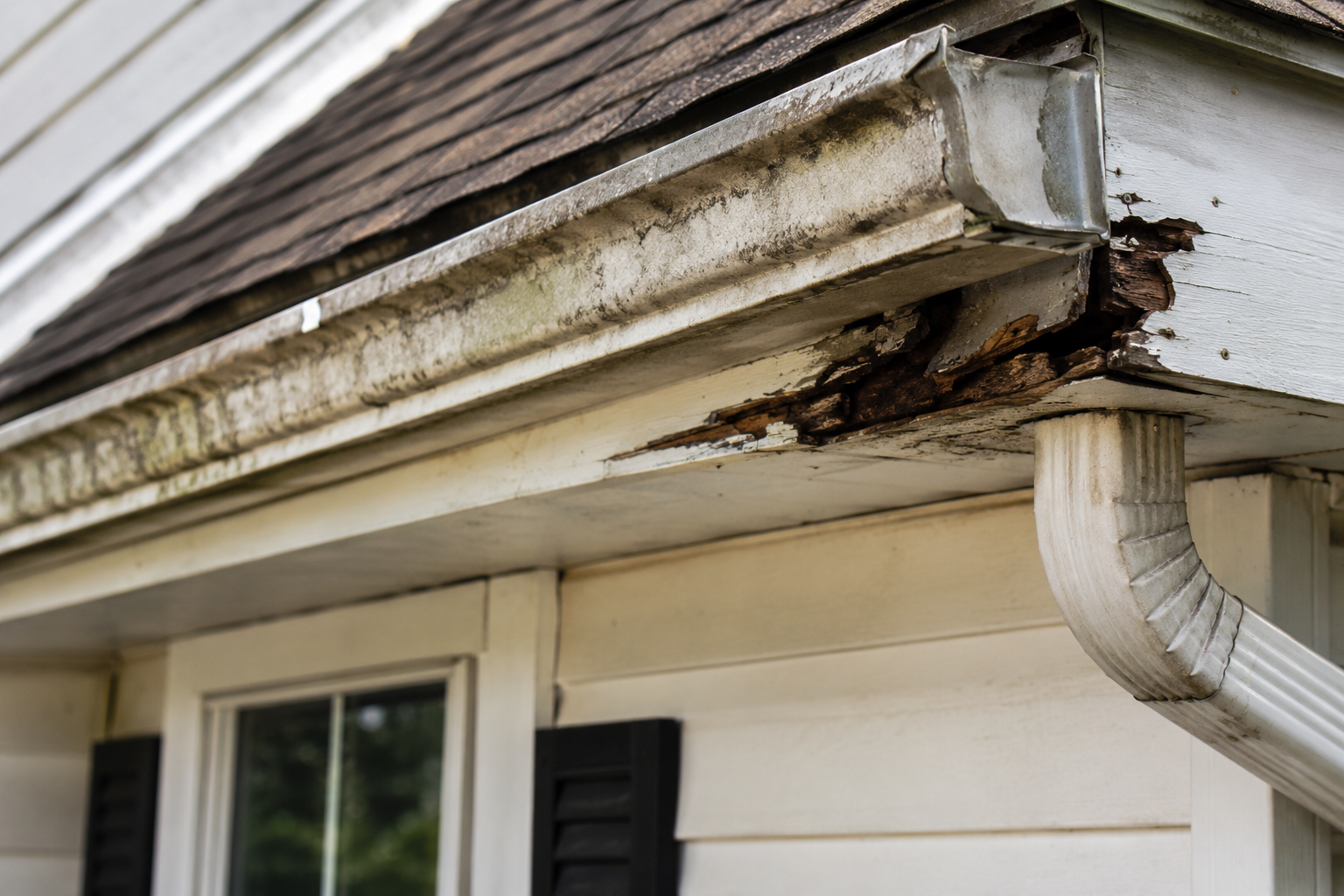
Roof water damage often starts at the edges, right where your gutters meet your roofline. When gutters are clogged or damaged, water backs up under roof shingles instead of flowing away. This trapped moisture can rot the wood decking beneath your shingles, damage fascia boards, and create the perfect environment for mold growth.

You might notice warped shingles, dark stains along the roofline, or even sagging sections of your roof. In colder months, backed-up water can freeze and form ice dams, which push water even further under your shingles and worsen the damage.

Can Gutter Problems Lead to Basement Leaks?

Yes, and it’s more common than most homeowners expect. Basement leaks often trace back to poor gutter performance. When downspouts release water too close to your home, or when gutters overflow during heavy rain, that excess water travels straight down toward your foundation. From there, it finds cracks, gaps, or porous concrete and works its way into your basement.

Signs of gutter-related basement leaks include musty odors, visible water stains on walls, peeling paint, or actual puddles after storms. Left unaddressed, this moisture can lead to mold growth and structural issues that are far more expensive to fix than the original gutter problem.

Why Early Action Matters

The good news is that gutter water damage is preventable. Regular inspections catch small issues, like a loose seam or a slight sag, before they turn into foundation cracks or roof rot. If your gutters are already showing signs of wear, a professional repair can often resolve the issue before it spreads to other parts of your home. For homes with outdated or undersized systems, upgrading to a seamless gutter installation can reduce leaks, clogs, and seams that tend to fail over time.

Frequently Asked Questions

How do I know if my gutters are causing water damage?
Look for peeling paint near your roofline, water stains on siding, pooling water near your foundation, or damp spots in your basement after rain. These are common early signs.

Can gutter damage really affect my foundation?
Yes. When gutters overflow or downspouts release water too close to your home, the soil around your foundation becomes oversaturated. This can lead to cracks and settling over time.

How often should gutters be inspected to prevent water damage?
Most experts recommend inspecting gutters at least twice a year, in spring and fall, and after major storms to catch clogs or damage early.

Protect Your Home Before Water Damage Spreads

Gutter problems rarely stay small. What starts as a minor clog or a small crack can quietly turn into foundation damage, roof rot, or a flooded basement. If you’ve noticed warning signs around your Monkton home, don’t wait for the next storm to find out how bad it’s gotten. The team at The Brothers That Just Do Gutters is ready to inspect your system, make repairs, or install a seamless gutter solution built to handle Maryland weather. Schedule your free inspection today and give your home the protection it deserves.


Posted on June 30, 2026 | Published by Ignite Local | Related Local Business
How Often Should Gutters Be Cleaned in Fallston, MD?

Gutter Water Damage - Northeast Maryland

If you own a home in Fallston or anywhere in Northeast Maryland, you have probably wondered whether you are cleaning your gutters often enough. It is one of those maintenance tasks that is easy to ignore until something goes wrong. Clogged gutters can cause serious water damage to your roof, siding, and foundation, and the local tree coverage and seasonal weather patterns in this area make staying on schedule especially important.

The Basic Gutter Cleaning Schedule Most Homeowners Need

For most homes, gutters should be cleaned at least twice a year. The ideal windows are late spring (after trees finish flowering and dropping seeds) and late fall (after the majority of leaves have fallen). This twice-yearly gutter cleaning schedule covers the two biggest debris events of the year and keeps water flowing the way it should.

However, twice a year is a starting point, not a one-size-fits-all rule. Your home’s specific situation may require more frequent attention.

Why Fallston Homeowners May Need More Frequent Cleaning

The Fallston area sits in a heavily wooded part of Harford County. Mature oaks, maples, and pine trees surround many properties here, and those trees shed debris across multiple seasons. That means your gutters may be filling up faster than you think.

Here is when you should consider cleaning gutters more than twice a year:

  • Your home is surrounded by tall trees. Heavy tree coverage means more debris year-round. Three or four cleanings annually may be necessary.
  • You have pine trees nearby. Pine needles shed constantly and are notorious for packing tightly into gutters and downspouts.
  • You noticed overflow or sagging last season. That is a sign that debris built up faster than expected.
  • Your area experienced a major storm. Wind and heavy rain can push large amounts of leaves and twigs into your gutters in a single event.

Fall Gutter Cleaning Is the Most Critical Appointment of the Year

Fall gutter cleaning is arguably the single most important maintenance step you can take before winter. Gutters packed with wet leaves going into freezing temperatures are a recipe for ice dams. Ice dams form when water backs up behind a blockage, freezes, and then pushes under your roofline. The resulting damage to your roof deck, insulation, and interior ceilings can be expensive to repair.

In Fallston and the surrounding Northeast Maryland communities, the first hard freeze can come earlier than many homeowners expect. Scheduling your fall cleaning for November, after the bulk of leaves have dropped but before the first freeze, is the smart move.

Signs Your Gutters Need Cleaning Right Now

Do not wait for your scheduled appointment if you notice any of these warning signs:

  • Water spilling over the sides of the gutters during rain
  • Gutters pulling away from the fascia (a sign of excess weight from debris)
  • Staining or streaking on your siding below the gutterline
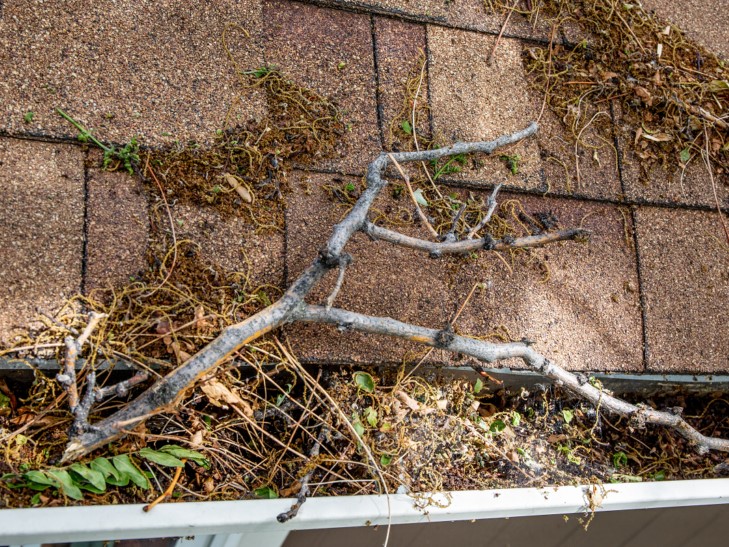
  • Plants or grass growing out of the gutter channel
  • Pooling water near your foundation after a rainstorm

Clogged gutters are one of the most common and preventable causes of water intrusion in residential homes. Catching the problem early saves money.

How Gutter Guards Affect Your Cleaning Schedule

Gutter guards can reduce how often you need to clean, but they do not eliminate the need entirely. Fine debris like pine needles, shingle grit, and seed pods can still accumulate on top of or inside most guard systems. If your home has gutter guards installed, plan on at least one inspection and light cleaning per year, and after any major storm.

Frequently Asked Questions

How often should gutters be cleaned if I have a lot of trees around my house? If your home in Fallston is surrounded by mature trees, plan on cleaning your gutters three to four times per year. Heavy tree coverage accelerates debris buildup and increases the risk of clogged gutters and downspouts between your standard spring and fall appointments.

What happens if I skip fall gutter cleaning before winter? Skipping fall gutter cleaning in Northeast Maryland is a risky decision. Wet leaves and debris freeze inside the gutter channel, causing ice dams and added weight that can pull gutters loose from the fascia. Water that cannot drain properly may back up under your shingles or seep into your foundation.

Is it worth paying for professional gutter cleaning, or can I do it myself? Cleaning gutters yourself is possible, but working on a ladder carries real safety risks, especially on two-story homes. A professional service can complete the job faster, spot damage you might miss, and flush downspouts to confirm they are clear all the way through. For most homeowners, the cost is well worth the safety and peace of mind.

Ready to Get Your Gutters Cleaned in Fallston?

Do not let a missed cleaning turn into a costly repair. The Brothers That Just Do Gutters Northeast Maryland serves Fallston and the surrounding communities with professional gutter cleaning, inspection, and installation services. Whether you need a one-time cleaning before winter or want to set up a regular maintenance schedule, we make it easy.

Schedule your gutter cleaning today or give us a call to get a fast, no-hassle quote.


Posted on May 31, 2026 | Published by Ignite Local | Related Local Business
Signs Your Bel Air Home Needs New Gutters (And When Repair Isn’t Enough)

New Gutters

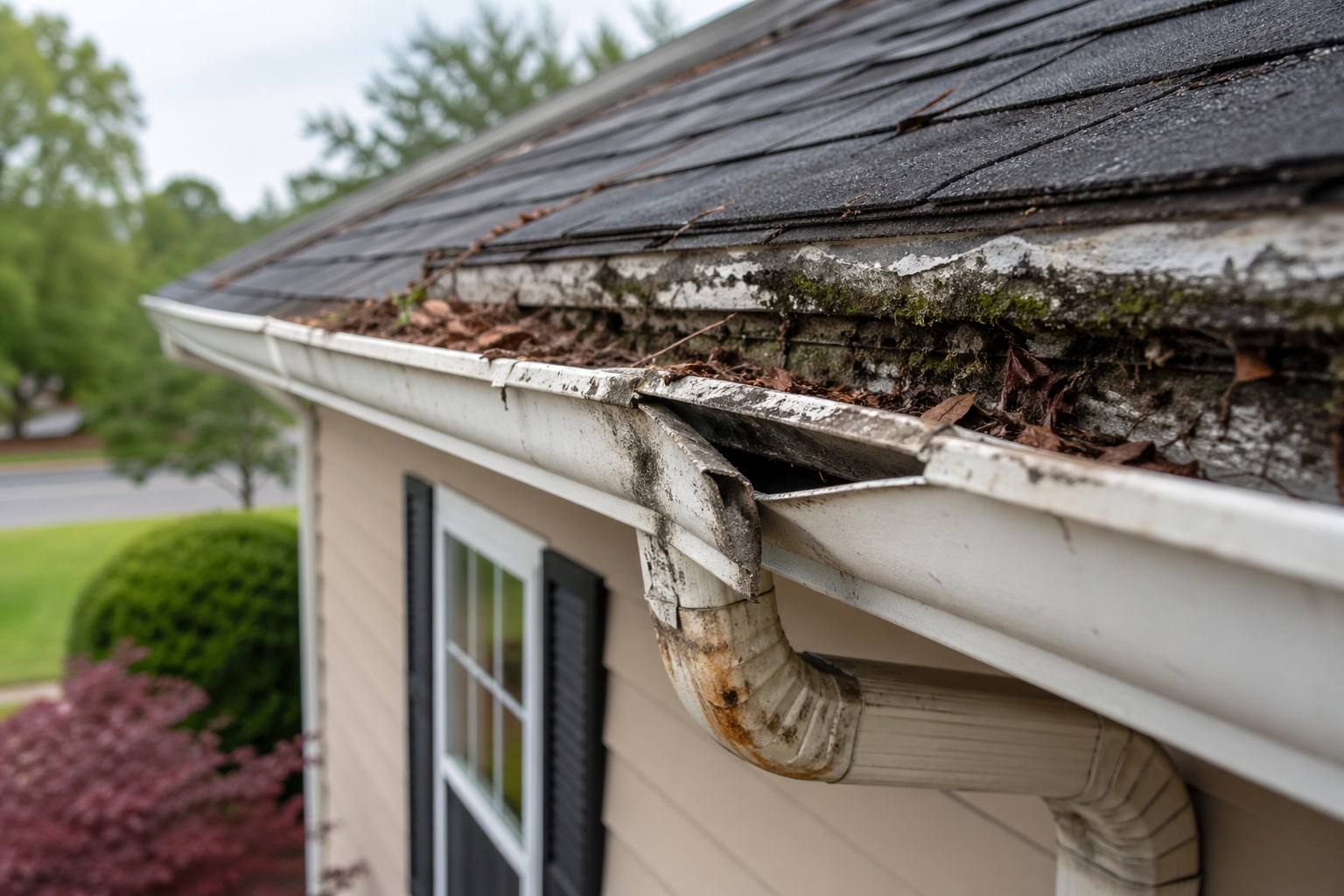
Most homeowners don’t think about their gutters until something goes wrong. But by the time water is pouring over the sides or staining your siding, the damage may already be done. Knowing the signs you need new gutters — not just a patch job — can save you thousands in foundation repairs, landscaping damage, and basement flooding down the road.

What Are the Most Common Signs You Need New Gutters?

Some gutter problems are obvious. Others hide in plain sight. Here are the clearest warning signs that your gutters are failing and may be beyond repair:

Cracks, splits, or holes. Small cracks can be sealed, but multiple cracks along the same section mean the gutter material is breaking down. Water will escape no matter how many times you patch it.

Gutters pulling away from the fascia. If you see gaps between the gutter and your roofline, the fasteners or fascia board behind them may be rotting. Reattaching the gutter doesn’t fix rotted wood underneath.

Persistent sagging or improper pitch. Gutters should slope slightly toward the downspout. If they sag in the middle or hold standing water, they can no longer drain effectively — and that weight will pull them off your home over time.

Paint peeling or rust stains on your siding. This usually means water has been overflowing for a while. It’s a sign your gutters are consistently failing, not just clogged.

Water damage around your foundation. Pooling water near your home’s base is a red flag. It often means your gutters and downspouts aren’t directing water far enough away — or at all.

Mold or mildew in your basement or crawlspace. Moisture intrusion from failing gutters can quietly damage your home’s structure for years before you notice it indoors.

Gutter Repair vs. Replacement: How Do You Know Which One You Need?

This is the most common question homeowners in Bel Air ask. Here’s a simple way to think about it:

Repair makes sense when:

  • The damage is isolated to one section
  • The gutters are less than 10 years old
  • The fascia and soffit behind the gutter are solid
  • You’re dealing with a single clog or minor sealant failure

Replacement makes sense when:

  • There are multiple problem areas across the system
  • The gutters are 20+ years old
  • You see widespread rust, warping, or separation at the seams
  • You’ve repaired the same spots more than once
  • The fascia board is rotting (the gutters can’t be properly anchored anyway)

A good rule of thumb: if repair costs are more than half the price of new gutters, replacement is almost always the smarter long-term investment.

What Are the Signs of Failing Gutters That Homeowners Often Miss?

Not every warning sign is dramatic. Watch for these subtler clues of failing gutters:

Eroded landscaping below the roofline. Troughs or bare patches in your mulch or garden beds directly under the gutters often mean water is overflowing in sheets.

Nails or screws on the ground. Finding hardware on your driveway or in your garden is a sign your gutters are loosening from the fascia.

Staining on the exterior of the gutters themselves. Dirt streaks running down the outside of your gutters — sometimes called “tiger stripes” — signal consistent overflow, not just a one-time clog.

Interior wall staining near the roofline. If you notice watermarks on your ceiling or upper walls, your gutters may be backing up against the fascia and seeping into your home.


Frequently Asked Questions

How long should gutters last before they need to be replaced? Aluminum gutters typically last 20 years. Copper gutters can last 50 years or more. Steel gutters fall somewhere in between but are more prone to rust. If your gutters are approaching the end of their expected lifespan and showing any of the signs above, replacement is worth considering — even if they haven’t failed completely yet.

Can I repair just one section of my gutters instead of replacing the whole system? Yes, in many cases. If one section is damaged but the rest of the system is structurally sound, a section replacement is a cost-effective fix. However, if the rest of the gutters are aging and showing early warning signs, replacing the whole system at once avoids future service calls and keeps everything consistent.

What happens if I ignore failing gutters? Failing gutters don’t just cause cosmetic issues. Over time, they can lead to foundation settling, basement flooding, fascia and soffit rot, mold growth inside your walls, and even damage to your home’s framing. The cost of gutter replacement is almost always far less than the cost of repairing the water damage that follows.


Ready to Find Out If Your Gutters Need to Be Repaired or Replaced?

If you’re seeing any of these warning signs on your Bel Air home, don’t wait for the next heavy rain to find out how bad it’s gotten. The Brothers That Just Do Gutters serves homeowners throughout northeast Maryland with honest assessments, quality installations, and gutter systems built to handle our region’s weather.

Schedule a free inspection today.


Posted on April 29, 2026 | Published by Ignite Local | Related Local Business

What Are Seamless Gutters? 5 Reasons Maryland Homeowners Choose Them Over Traditional Systems

Gutter Water Damage - Northeast Maryland

Are your gutters leaking at every joint? Tired of cleaning out sections that trap leaves and debris? You’re not alone. Thousands of Maryland homeowners are replacing their old sectional gutters with a smarter, cleaner solution: seamless gutters.

Let’s break down exactly what seamless gutters are, why they outperform traditional systems, and how they protect your home from Maryland’s unpredictable weather.

What Makes Seamless Gutters Different?

Seamless gutters are custom-fabricated on-site to fit your roofline perfectly. Unlike traditional sectional gutters that connect multiple pieces with joints and seams, seamless systems are formed from a single continuous piece of aluminum.

This design eliminates the weak points where most gutter problems start. No seams mean fewer places for water to leak, debris to collect, or rust to form. The result? A gutter system that works harder and lasts longer.

Most seamless gutter installation uses aluminum because it’s lightweight, rust-resistant, and available in dozens of colors to match your home’s trim.

5 Advantages of Seamless Gutters for Maryland Homes

1. Fewer Leaks and Water Damage

Traditional gutters leak at the seams. Over time, caulk breaks down and joints separate. Seamless gutters eliminate 90% of potential leak points, protecting your foundation, siding, and landscaping from water damage.

2. Lower Maintenance Requirements

Sectional gutters trap leaves and dirt at every joint. Seamless systems have smooth interiors that help water and debris flow freely to your downspouts. You’ll still need occasional cleaning, but far less often.

3. Custom Fit for Your Roofline

Every home is different. Seamless gutters are measured and cut on-site to match your exact specifications. This precise fit improves performance and enhances curb appeal.

4. Longer Lifespan

Without seams to fail, seamless aluminum gutters can last 20 to 30 years with minimal upkeep. That’s nearly double the lifespan of many sectional systems.

5. Better Protection Against Maryland Weather

From heavy spring rains to winter freeze-thaw cycles, Maryland weather tests your gutters year-round. Seamless systems handle high water volume without separating at the joints, keeping your home dry through every season.

Sectional vs Seamless Gutters: Which Is Right for You?

If you’re weighing your options for gutter replacement, here’s the simple truth: sectional gutters cost less upfront but require more repairs over time. Seamless gutters are a bigger initial investment that pays off in durability and performance.

Sectional gutters work for simple rooflines and tight budgets. But if you want a low-maintenance solution that protects your home for decades, seamless is the clear winner.

How Seamless Gutter Installation Works

A professional installer brings a gutter machine to your property and forms gutters from coils of aluminum. They measure your roofline, cut the material to length, and mount the system with hidden hangers for a clean look.

The entire process typically takes one day for most homes. You’ll get a watertight system custom-built for your property, not a one-size-fits-all product from a big-box store.

Common Questions About Seamless Gutters

How much do seamless gutters cost compared to sectional gutters?

Seamless gutters typically cost $3 to $5 more per linear foot than sectional systems. For an average Maryland home, that’s about $500 to $1,000 more upfront. But you’ll save money on repairs and maintenance over the system’s lifetime.

Can I install seamless gutters myself?

Seamless gutter installation requires specialized equipment to form the gutters on-site. Most homeowners hire professionals to ensure proper pitch, secure mounting, and a watertight system. DIY installation isn’t practical for seamless systems.

Do seamless gutters come in different colors?

Yes. Aluminum gutters are available in more than 30 colors, from classic white and brown to modern grays and custom shades that match your home’s exterior perfectly.

Ready to Upgrade Your Gutter System?

Seamless gutters protect your Maryland home from water damage, reduce maintenance headaches, and improve your curb appeal. If you’re ready to stop patching leaks and start enjoying a gutter system that actually works, it’s time to make the switch.

Brothers Gutters serves Northeast Maryland with expert seamless gutter installation. We’ll visit your home, provide a free estimate, and custom-fabricate a system designed for your property.

Call us today or schedule your free consultation online. Let’s keep your home dry and protected, one seamless gutter at a time.